
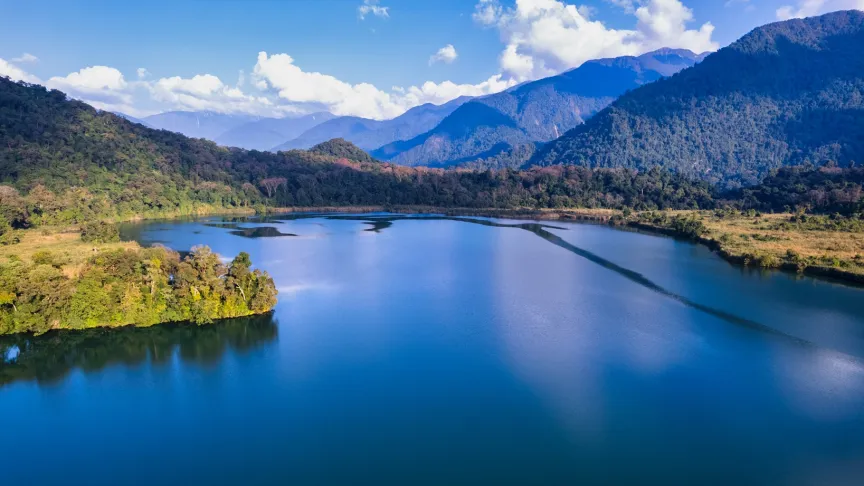

In a landmark decision for Himalayan environmental conservation, Glaw Lake (often referred to locally as Galo/Glaw Lake) in Arunachal Pradesh was officially designated as a Ramsar Site of International Importance.
This historic announcement makes Glaw Lake the first Ramsar site in Arunachal Pradesh and brings India’s national tally of Ramsar wetlands to a historic 101 sites.
Nestled within the Eastern Himalayas—one of the world’s primary biodiversity hotspots—Glaw Lake’s new international status highlights the crucial role high-altitude Himalayan wetlands play in climate resilience, biodiversity preservation, and water security.
1. Where is Glaw Lake Located?
Glaw Lake is situated at an elevation of approximately 1,168 meters above sea level within the pristine boundaries of the Kamlang Tiger Reserve and Wildlife Sanctuary in the Lohit district of Arunachal Pradesh.
┌─────────────────────────────────────────────────────────────┐
│                    GLAW LAKE AT A GLANCE                     │
├───────────────────┬─────────────────────────────────────────┤
│ Elevation         │ ~1,168 meters above sea level           │
│ Location          │ Lohit District, Arunachal Pradesh       │
│ Protected Area    │ Kamlang Tiger Reserve & Sanctuary       │
│ Ecosystem Type    │ High-Altitude Freshwater Lake           │
│ National Status   │ India's 101st Ramsar Site (1st in AP)   │
└───────────────────┴─────────────────────────────────────────┘
Fed by perennial mountain streams and flowing into the Kamlang River, this remote freshwater lake is surrounded by sub-tropical and temperate hill forests. Its isolated geography has helped keep its aquatic ecosystem intact for centuries.
2. Ecological Significance and Biodiversity
Glaw Lake is far more than a picturesque body of water; it is a vital biodiversity refuge for the Eastern Himalayas. Recognized also as an Important Bird and Biodiversity Area (IBA), the lake and its catchment area support exceptional flora and fauna:
-
Rich Botanical Haven: Scientists have recorded over 150 tree species and 49 species of orchids within the lake’s catchment area.
-
Habitat for Rare Wildlife: The dense forest canopy surrounding Glaw Lake forms part of a landscape known to support rare big cats—including the Clouded Leopard, Leopard, and Tiger—alongside primates like the endangered Hoolock Gibbon.
-
Critical Aviary & Aquatic Sanctuary: The wetland serves as a crucial habitat and wintering ground for water-dependent birds, most notably the Critically Endangered White-Bellied Heron. The pristine waters also host endemic species of fish, reptiles, and amphibians.
3. Cultural Connection to the Mishmi Community
Beyond its environmental value, Glaw Lake holds deep cultural and spiritual resonance for the indigenous Mishmi community.
The local tribes regard Glaw Lake as a sacred site, adhering to traditional conservation practices that have helped safeguard the lake’s natural state for generations.
Under the Ramsar framework, future conservation and ecological management plans are designed to actively involve the Mishmi people, blending modern conservation science with traditional indigenous stewardship.
4. Why the 101st Ramsar Site Milestone Matters for India
The Ramsar Convention on Wetlands (adopted in Ramsar, Iran, in 1971) is an international treaty aimed at conserving wetlands and encouraging their “wise use”.
┌─────────────────────────────────────────────────────────────┐
│             INDIA'S RAMSAR NETWORK EXPANSION                │
├───────────────────────────────┬─────────────────────────────┤
│   2014                        │   2026                      │
│   • 26 Ramsar Sites           │   • 101 Ramsar Sites        │
│   • Limited Regional Coverage │   • Extensive NE & Pan-India│
└───────────────────────────────┴─────────────────────────────┘
India’s Ramsar network has grown dramatically from 26 designated sites in 2014 to 101. Adding Glaw Lake extends global conservation protocols to Northeast India’s fragile high-altitude ecosystems, which act as carbon sinks, regulate local water tables, and mitigate mountain flood risks.
Final Thoughts
The recognition of Glaw Lake as Arunachal Pradesh’s first Ramsar site is a triumph for conservationists, local communities, and nature enthusiasts alike. As international spotlight focuses on this pristine Himalayan wetland, it serves as a powerful reminder of the delicate balance between cultural tradition and nature preservation.