

Have you ever heard the phrase, “You can’t teach an old dog new tricks”?
For decades, even mainstream science believed a similar myth: that our brains reach full maturity in early adulthood, after which our cognitive abilities slowly decline. We were taught that the brain’s structure becomes fixed, rigid, and unchangeable as we age.
Fortunately, modern neuroscience has completely debunked this idea.
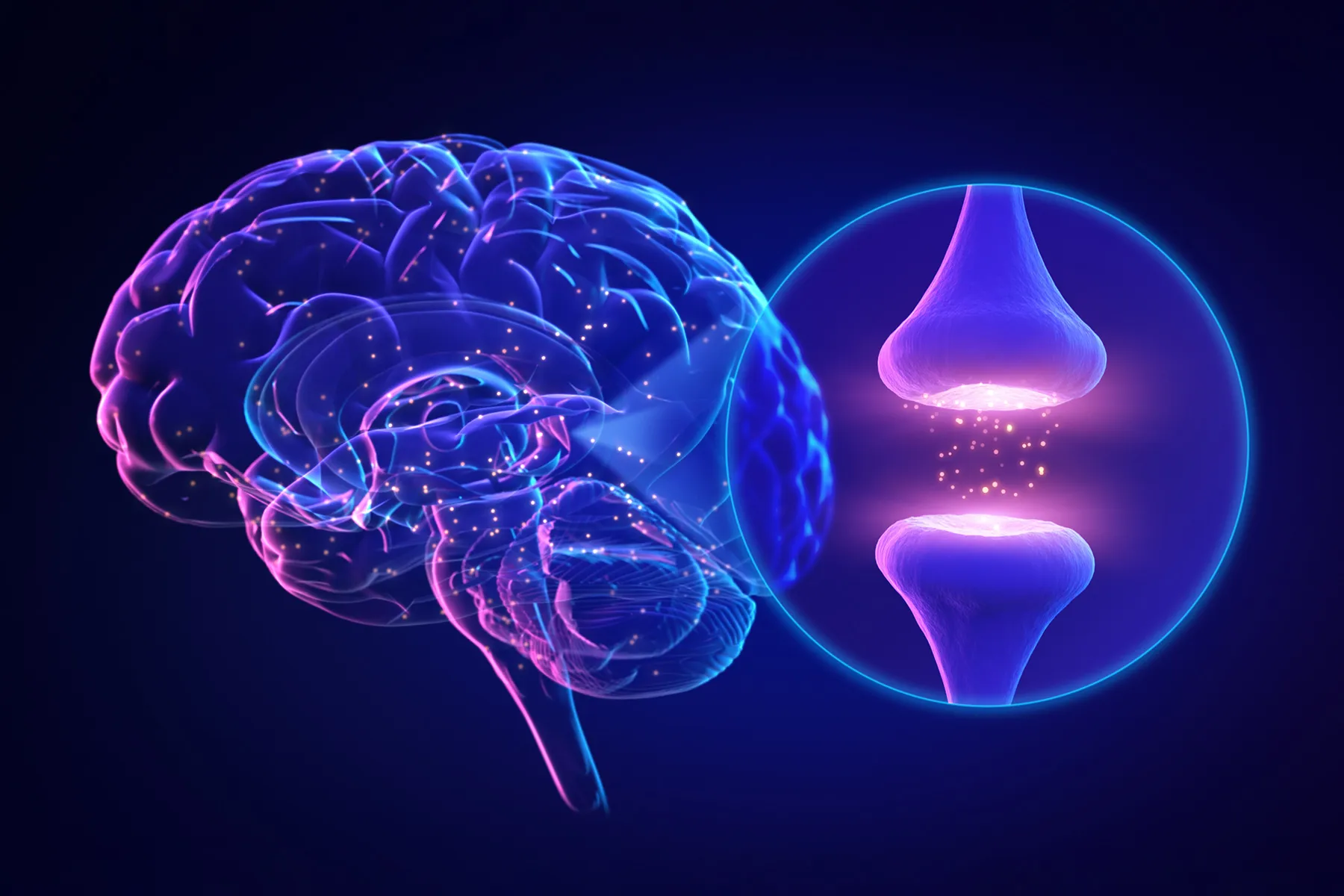
Enter neuroplasticity—the brain’s incredible ability to adapt, re-wire, and grow new neural connections throughout your entire life. Whether you are 25, 50, or 75, your brain retains the remarkable power to learn new languages, master complex skills, and continuously reinvent itself.
In this article, we’ll break down what neuroplasticity actually is, how it works, and actionable steps you can take today to unlock your brain’s full potential at any age.
What is Neuroplasticity?
At its core, neuroplasticity (or brain plasticity) is the brain’s capacity to modify its connection networks in response to learning, experience, or environment.
Think of your brain like a dense forest:
-
When you try something new for the first time, you step into tall grass. It’s difficult, and there is no clear path.
-
The more you repeat that action or thought, the more you beat down the path until it becomes a clear, smooth trail.
-
If you stop using that path, nature takes over again, and the trail fades.
In neurological terms, “Neurons that fire together, wire together.” Every time you learn a new chord on a guitar, practice a new language, or solve a puzzle, your brain physically alters its structure to build stronger highways for that information.
Structural vs. Functional Plasticity
Scientists divide neuroplasticity into two primary categories:
-
Structural Plasticity: The brain’s ability to physically alter its structure as a result of learning. (For example, studies show that London taxi drivers who memorize thousands of complex streets develop a physically larger hippocampus—the region responsible for spatial memory).
-
Functional Plasticity: The brain’s ability to move functions from a damaged area to undamaged areas. (This is how stroke survivors can re-learn speech and motor skills by training other parts of the brain to take over).
Can You Really Learn Anything at Any Age?
Yes, absolutely. While it is true that young children absorb information rapidly due to high baseline plasticity, adult brains possess unique advantages that children lack:
-
Contextual Learning: Adults can connect new information to decades of accumulated background knowledge and life experience.
-
Focused Attention: Adults have higher self-discipline and metacognition (understanding how they learn best).
-
Targeted Motivation: Adults learn because they want to, which releases dopamine—a crucial neurotransmitter for memory consolidation.
Age does not eliminate your brain’s ability to change; inactivity does. The brain operates on a strict “Use It or Lose It” policy.
5 Practical Ways to Trigger Neuroplasticity Daily
If you want to keep your mind sharp and continuously learn new things, you need to challenge your brain out of its comfortable routine. Here are 5 science-backed habits to boost your brain’s adaptability:
1. Embrace the Struggle of a New Skill
Doing things you are already good at keeps you comfortable, but it doesn’t spark new neural growth. To trigger plasticity, pick up something genuinely challenging—like playing a musical instrument, learning oil painting, or mastering chess. The initial frustration you feel is actually the signal that your brain is actively re-wiring itself.
2. Learn a Foreign Language
Bilingualism is one of the ultimate workouts for your brain. Studies consistently show that learning a new language delays cognitive decline and improves executive function, problem-solving, and focus.
3. Prioritize Deep, Restorative Sleep
While you sleep, your brain’s glia cells clear out metabolic waste, and your hippocampus transfers short-term memories into long-term storage. Without quality sleep, the new neural pathways created during the day cannot solidify.
4. Stay Physically Active
Aerobic exercise boosts the production of BDNF (Brain-Derived Neurotrophic Factor), often described by neuroscientists as “Miracle-Gro for the brain.” BDNF promotes the growth of new brain cells and strengthens existing synaptic connections.
5. Change Up Everyday Routines
Small changes disrupt automatic neural pathways and force your brain to pay attention:
-
Take a different route on your daily walk.
-
Try brushing your teeth or writing with your non-dominant hand.
-
Read a book genre completely outside your usual interest.
Final Thoughts: The Journey of Lifelong Learning
Your brain is not a static organ—it is a dynamic, living canvas waiting for your next pursuit. Retirement, career changes, or simply growing older are not signals to slow down your learning. Instead, they are golden opportunities to dive into topics you never had time to explore before.
Age is never a barrier to growth. As long as you remain curious, stay active, and embrace new challenges, your brain will continue to adapt, learn, and surprise you.
What new skill or topic are you planning to learn next? Share your thoughts and experiences in the comments section below!